
Por un trago de tango
Palabras clave:
tango, vino, champán, trago, léxicoResumen
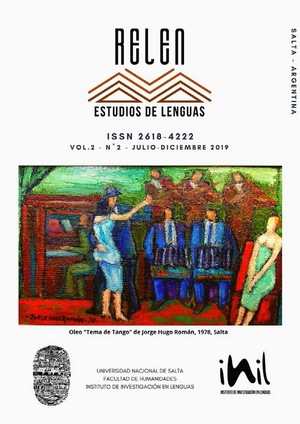
Canción popular, emblema del coraje de vivir y epopeya de la nostalgia, el tango transita, con marcada privacidad en sus comienzos, sectores populares primero, salones fastuosos después, para perpetuar, finalmente, su aliento celebratorio en la voz del cantor y en la sensualidad de la danza, instalado ya no solo en la vida pública, sino también en el interés de estudiosos de la cultura. Rioplatense, argentino, universal, lo bailó el compadrito, el argentino de hoy y el actor de las películas de Hollywood... Amor, olvido, nostalgia, fiesta, engaño, llanto de bravucón aniñado, emociones todas que se dicen con expresiones explícitas o metafóricas relacionadas con el vino, el champán, el trago que acompaña en la exaltación de la lujuria, en la pena por la ausencia, en el ansia del olvido. El vino-champán-trago presta el léxico que lo refiere en todas sus formas y en las emociones que se purifican, evaporan, sedimentan. La concurrencia de unidades emocionales y lingüísticas motiva la búsqueda de las dinámicas que les dan aliento en la canción.
Citas
Bajtín, M. (1985). Estética de la creación verbal. México: Siglo XXI.
Borges, J. L. (1974). ―Historia del tango‖ en Obras completas. Buenos Aires: Emecé.
Even-Zohar, I. (1975). ―Teoría del polisistema‖ en Poética y literatura comparada.Tel Aviv. Onetti, J. C. (1974). El tango y su temática. https://fdocumento.com/document/julio-cesar-onetti-el-tango-y-sutematica-libro.html
Sarlo, B. (2000). El imperio de los sentimientos. Buenos Aires: Norma.
Tinianov, J. (1999).―Sobre la evolución literaria‖, en Teoría de la literatura de los formalistas rusos. México: Siglo XXI.
Letras de tangos
https://www.cancioneros.com/letras/ https://www.letras.com/estilos/tango https://www.todotango.com/
Videos
Tango bar: https://www.youtube.com/watch?v=4XlixLYb5UM
"La última copa" por Enrique Dumas: https://www.youtube.com/watch?v=JWxgxYfF3Yg
"Los mareados" por Andrés Calamaro: https://www.youtube.com/watch?v=tjFmzfK1IHQ
"Los mareados" por Stampone y Marcel: https://www.youtube.com/watchv=abGc45_127E&pbjreload=101
Escena de tango en Perfume de mujer: https://www.youtube.com/watch?v=F2zTd_YwTvo