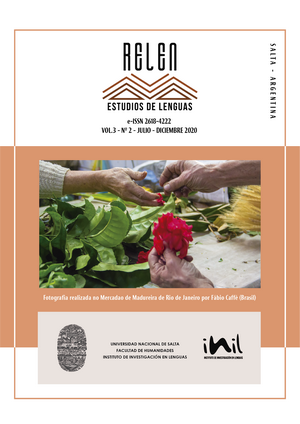


Ensayo Visual “Erveiras do Mercadão de Madureira”
Palabras clave:
mujer, hierba, trabajadora, Madureira, religiosidadResumen
Las hierbas son bien conocidas y utilizadas a lo largo de la historia de la humanidad. Por ejemplo, mucha gente tiene en casa la famosa Espada de São Jorge, que es una planta para protegerse de las malas energías. O la ruda que se usa para la suerte. Las especias como la albahaca y el romero se utilizan ampliamente en la cocina brasileña. Dentro del universo de las hierbas, quienes tienen un papel fundamental son las erveiras, mujeres que las cuidan y comercializan. Ellas son transmisoras de información y conocimientos, ya sean de uso religioso o medicinal, que se transmiten de generación en generación. Sus historias están escritas con mucha lucha y resistencia. Un ejemplo es la biografía de Doña Rosa1, portuguesa, de 69 años, que empezó a trabajar en el Mercadão de Madureira en 1968. Allí también trabajan dos de sus hijas: Luiza y Beth. Las carpas herbales son lugares de encuentro a los que siempre va mucha gente. Las hierbas pasan por varios caminos hasta llegar al Mercadão de Madureira. A veces proceden del trabajo familiar donde un familiar se encarga del huerto. Algunas de ellas (erveiras) trabajan los fi nes de semana en sus huertas. En otros casos, traen plantas (rosas) de otros lugares, como CEASA (Centro de Abastecimiento del Estado de Rio de Janeiro). Estas
fotografías fueron tomadas en el Mercadão de Madureira, un lugar de comercio tradicional en Río de Janeiro, Brasil. Es importante destacar que una de las partes más buscadas en este mercado es la de las hierbas, también conocida como Mercadão das Ervas.