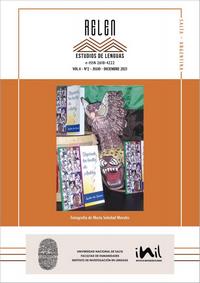


O ensino da música a partir de uma perspectiva multicultural
Palavras-chave:
música, educação, multiculturalidade, povo guarani, língua guaraniResumo
Os professores do campo artístico musical desconhecemos muitos aspectos da diversidade cultural da Província de Salta (Argentina), especialmente os ligados às línguas e culturas nativas. Embora a abordagem musical multicultural esteja presente nos desenhos curriculares, na prática real predominam as abordagens tradicionais. Esta revisão pretende apresentar uma experiencia educacional desenvolvida numa escola da cidade de Salta (2016- 2020), cujo objetivo principal tem sido promover a importancia do ensino da música a partir de uma perspectiva multicultural e holística, onde a língua e a cultura originária não podem ser separadas da música. A partir da revisão de minhas próprias práticas na sala de aula, decidi repensar a seleção do repertorio musical trabalhado com meus alunos. Isto me permitiu retornar ao contexto onde cresci e resinifi car a música e a dança que estiveram presentes na minha infância. Foi assim que reencontrei o Pimpim dos Guarani que brincava e dançava pelas ruas de Hipólito Yrigoyen (Departamento de Orán) durante o carnaval. A partir de um trabalho de levantamento fotográfi co e audiovisual e da utilização da metodologia de “observação participante”, reconstruí alguns conhecimentos sobre a musicalidade guarani. Desta forma pude desenvolver uma estratégia de ensino e aprendizagem com abordagem multicultural, que envolveu a articulação com professores bilíngues e sábios guaranis. Ao longo destes anos, meus alunos e eu aprendemos e apreciamos a música, a língua e a cultura guarani, abrindo novos caminos para o diálogo intercultural em nossa escola.
Referências
Caurey, E (2015) Ñande Arakuaa Imbguap+. Patrones de crianza de la niñez en la Nación Guaraní. Bolivia: Territorio Guaraní
Caurey, E. (2016). Arakua Jembo. Educación, lengua y cultura de la Nación Guaraní. Bolivia: Arte & Media.
Elliott, J. (2000). La investigación-acción en educación. Ediciones Morata.
Liska, M. (2006). Los Chané y las máscaras: la identidad insoslayable. Entremusicas. Música, investigación y docencia.
Martínez Pineda, M. C. (2006). El poder de las experiencias pedagógicas realizadas por colectivos de maestros. ¿Expresiones de acción política? Educación y ciudad, 11. Colombia
Melià, B. (1988). Los Guaraní - Chiriguano. Ñande Reko, nuestro modo de ser. Bolivia: CIPCA.
Pérez Bugallo, R. (1984). Relevamiento Etnomusicológico de Salta-Argentina. Ministerio de Educación y Justicia. Secretaría de Cultura Instituto Nacional de Musicología Carlos Vega.
Pérez Bugallo, R. (1993). Catálogo de Instrumentos Musicales Argentinos Biblioteca de Cultura Popular. Ediciones del sol.
Pérez Bugallo, N. (2012). Algunos apuntes sobre el patrimonio etno-organológico de los guaraníes de Pichanal (Salta). Folklore Latino Americano, XIII, 195-200.
Ruiz, I., Pérez Bugallo, R., Goyena, H. L. (1992). Instrumentos musicales, etnográfi cos y folklóricos de la Argentina. Buenos Aires: Instituto Nacional de Musicología.